Group coaching call structure: the same hour, run the same way.
Cadence models and the constraint that should decide yours, three agenda shapes, hot-seat mechanics that stay fair when the same three people always volunteer, a question routine that serves the members who never unmute, and a recording library that makes call fifty worth more than call five. Written to work with any call tool; where a tool decision genuinely changes the plan, it says so.
03agenda shapes
90minute default
12standing kit items
What you will have at the end
A cadence you can hold for a year, chosen on the constraint that actually binds
Three agenda shapes, and the one to start with
A run sheet with minutes attached, so the same hour stops drifting every week
Hot-seat mechanics that stay fair when the same three people always volunteer
A question routine that serves the members who never unmute
A recording library that makes call fifty worth more than call five
Attendance follow-up that re-engages without guilt, and knows when to stop
Ch. 01CadenceDecision 01 / 03
Pick the rhythm you can hold for a year.
Cadence is usually chosen from ambition and then quietly abandoned. Choose it instead from the constraint that actually binds — almost always your preparation time, not your calendar.
A weekly call you prepare for properly is a different product from a weekly call you turn up to. Members can tell within a month, and the tell is not the content — it is whether last week’s loose ends were picked up, whether their question was remembered, and whether the hour has a shape. If you can only do that fortnightly, do it fortnightly. A well-run biweekly call beats a thin weekly one, and it is much easier to add a week than to quietly drop one.
Weekly
Implementation programmes
Members are doing work between calls and get stuck in ways that are expensive to leave stuck for a fortnight. Weekly builds the habit faster and keeps the group’s shared context warm — at the cost of a preparation load you have to be honest about.
Biweekly
Strategic and executive groups
The work between calls takes longer than seven days to produce anything worth discussing, so weekly calls fill with updates rather than decisions. Halves your preparation and usually raises the quality of what arrives.
Fixed time, or rotating
The second decision, and the one that gets made carelessly. A fixed slot is a habit; a rotating slot is a schedule people have to keep consulting. Rotation is worth its cost only when you genuinely have two populations in incompatible timezones — and even then, two fixed calls usually serve them better than one that moves.
Fixed time
The default. Same day, same hour, for as long as the programme runs.
The slot becomes a standing commitment rather than a weekly decision
Members can plan their work around it, which is when attendance stops being effortful
Your own preparation ritual lands on the same day every week
Recordings arrive on a predictable day, which the people who never attend live come to rely on
One timezone is served properly rather than several being served badly
Rotating time
Only for genuinely split timezones, and published a quarter ahead.
Two timezones each get a workable slot instead of one being permanently disadvantaged
The cost is that nobody can hold it as a fixed weekly habit
It needs a published schedule far enough ahead that members can plan around the rotation
Attendance is harder to read, because a low week may be a timezone artefact rather than a signal
Usually better solved by two fixed calls than by one that moves
Whichever you choose, publish the dates for the whole quarter at once and put them where members already look. Booking the next call at the end of each one is how a programme ends up with a schedule nobody can see more than seven days into.
Ch. 02Agenda shapesDecision 02 / 03
Three shapes, and one of them is where you start.
The shape is a promise about what the hour is for. Groups tolerate almost any shape; what they do not tolerate is a different one each week, because it makes the call impossible to prepare for.
Teach, then hot seat
One taught idea, then two or three members working through their own version of it in public. The default for programmes with a curriculum, and the shape most groups should start with.
Needs — a teaching plan and a hot-seat rotation.
Pure question and answer
No teaching segment. Questions collected in advance, grouped, and worked through hardest first. Cheap to prepare, excellent for mature groups, and merciless about the quality of your collection routine.
Needs — questions in writing before the call, without fail.
Review sprint
Members bring work in progress and it gets reviewed on a timer — pages, offers, funnels, plans. The most useful shape for craft-based programmes and the hardest to run without slipping the clock.
Needs — work submitted in advance and a visible timer.
Mixing them, without confusing anyone
Rotate on a published pattern rather than by mood. A month of “teach, teach, review sprint, open questions” is legible: members know which week to bring work to and which week to save a question for. The same four calls in an unannounced order feel improvised even when they are not, and they quietly train people to stop preparing.
One shape per call. A call that tries to teach, review three pieces of work and clear the question queue does all three badly, and the part that gets cut is always the last one — which is always somebody’s only question.
00:00 → 90:00The run sheet
Ninety minutes, with the minutes written down.
This is the teach-then-hot-seat shape laid out. Adjust the numbers to your group; the thing that matters is that they exist and that they are the same next week.
When
What happens
Leads
0–5 min
Doors open. Arrivals, and one line on what today covers. Start on time regardless of who is missing — the alternative teaches the room that the published start is approximate.
Host
5–10 min
Wins and blockers, one line each, typed in the chat rather than said out loud. Reading them takes two minutes and tells you where the room actually is before you teach into it.
Members
10–30 min
The teaching segment. One idea, taught once, with the example prepared in advance. Twenty minutes is a constraint that improves it.
Host
30–70 min
Hot seats. Two at twenty minutes, or three at thirteen. Named before the call, timed out loud, one action each at the end.
Members
70–85 min
Questions from the form, in the order you grouped them. Hardest first — the easy ones can be answered in writing afterwards, the hard ones cannot.
Both
85–90 min
Close: next call’s date and topic, what you owe the room, and what the room owes itself before then. Then end, even if it is going well.
Host
The two rows people cut
The wins-and-blockers minutes look like warm-up and are actually reconnaissance: five minutes of typed one-liners tell you which of your prepared answers the room needs and which it does not. And the closing five minutes look expendable right up until the week when nobody can remember what was agreed, or when the next call arrives with no topic and no preparation behind it.
Ending on time is the rule that holds the rest together. Overrunning reads as generosity and functions as a tax on the members with hard stops — usually the ones with the most demanding jobs and the least ability to say so. If the content genuinely does not fit, the shape is wrong: cut a hot seat, or move the teaching into the library.
Sixty minutes instead
Cut the teaching segment, not the hot seats.
Teaching survives being recorded and watched later. Hot seats, questions and the room’s reaction to them do not — they are the only parts of the hour that require everyone to be present at the same time. When time is short, protect the parts that only work live.
T−2dQuestions before the call
Collect the questions before anyone unmutes.
This single habit does more for a group call than any change to the content. It serves the quiet members, it lets you prepare real answers, and it stops the hour being allocated by who is fastest to speak.
In every group there are members who will never raise a hand on a live call. Not because they have nothing to ask — because asking in front of twenty peers costs them something it does not cost the confident ones. A form removes that cost entirely, and it does it without anyone having to be coaxed into speaking.
01One form, always open, same link every week. Not a different link each time, and not the chat thread. A stable link is what turns submitting a question into a habit rather than a small search.
02A deadline 48 hours out, stated every time. Enough time for you to prepare properly, close enough to the call that people still have the problem in front of them. Say what the deadline buys them: early questions get answered first, and get answered better.
03Ask for two things, not a paragraph. What they have already tried, and what decision they are stuck on. Those two lines convert most vague questions into answerable ones before you ever read them.
04Group by theme, then order hardest first. Three questions about the same thing become one good segment. And the hard ones need live time — the easy ones can be answered in writing afterwards, which is the reverse of what usually happens.
05Name the asker, unless they asked you not to. Say whose question it is. It makes submitting one visibly worthwhile, and other members learn from seeing who is grappling with what. Offer an anonymous option and honour it exactly.
06Close the loop on anything you did not reach. Unanswered questions go to the top of next week’s list and the member is told so. A question that vanishes teaches everyone watching that the form is decorative.
Subject: [Day]'s call — what should we cover?
Questions for [Day] close [deadline day] at [time][timezone].
Add yours here: [form link]
Two things make a question useful on a group call:
· What you have already tried
· What decision you are actually stuck on
One line each is plenty. Questions submitted in advance get
answered first and get answered properly. The ones that arrive
live get whatever time is left.
Send that as a standing message two days before every call, on the same day of the week, forever. The consistency is most of the value: after a month it is a routine, and after a quarter your question queue fills without you asking twice.
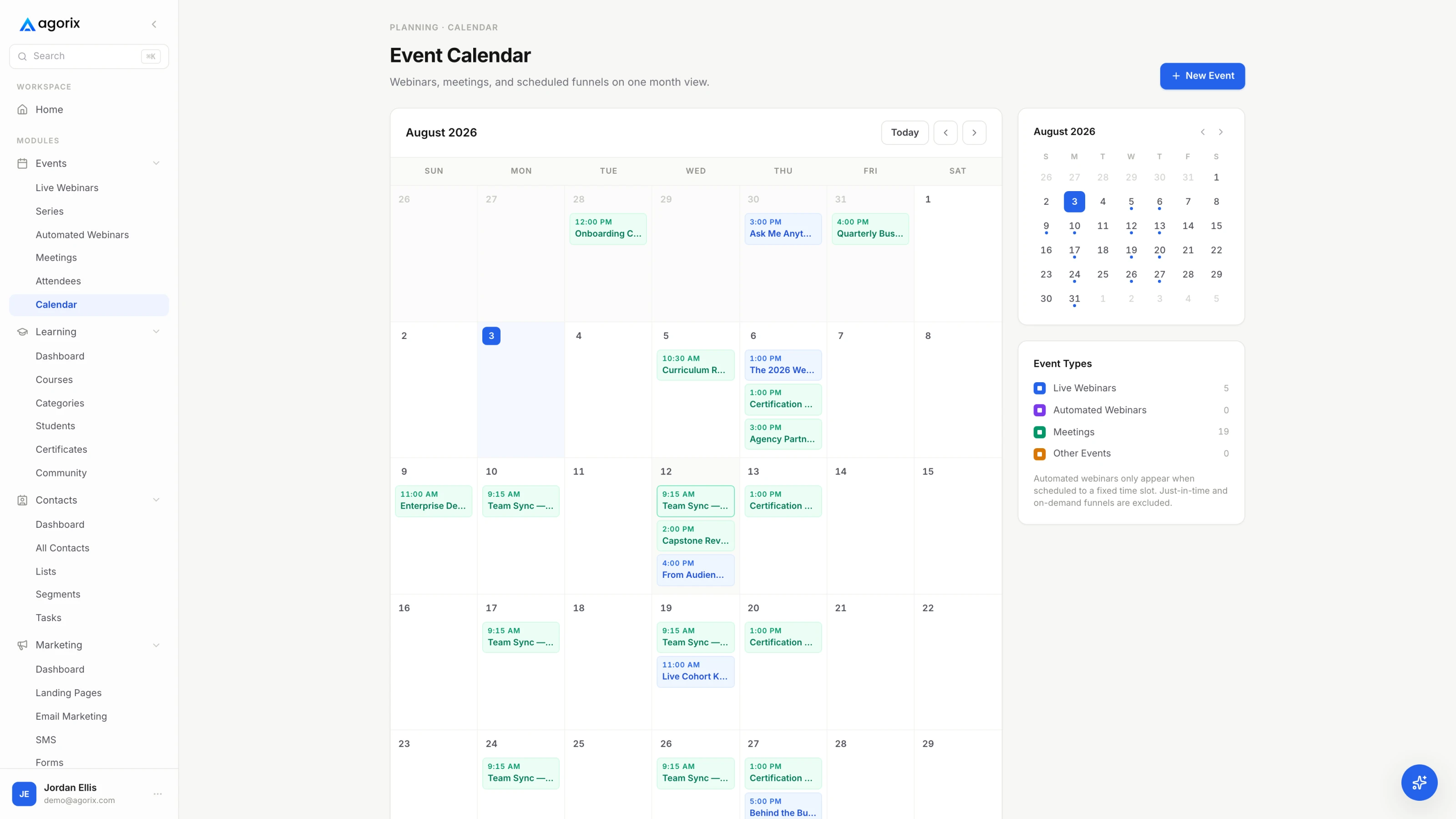
Fig. 01One standing form, the same link every week. Submissions are also the most honest engagement signal a group programme produces.
LiveHot-seat mechanicsDecision 03 / 03
The best part of the call, and the easiest to run unfairly.
A hot seat is one member’s problem worked through in public so twenty people learn from it. It fails when it becomes private consulting with an audience, or when the same three names keep taking it.
01Name the seats in advance, publicly. Members prepare, the room knows what is coming, and nobody spends the first ten minutes wondering whether to volunteer. It also lets you read the problem beforehand, which is what makes twelve minutes enough.
02Take the problem in writing first. Through the same form as the questions. A seat that begins with five minutes of context is a seat that ends before the useful part; a seat that begins in the middle is worth watching.
03Cap the time, and say the cap out loud. Twelve minutes, or twenty for two seats. Saying it at the start makes the timer a shared rule rather than you cutting somebody off — and it protects the last person on the list, who otherwise pays for everyone who overran.
04Open the room once, on your terms. After you have worked the problem, invite one or two questions from other members. Unmoderated, a hot seat turns into five people offering competing advice to somebody who is already overwhelmed.
05End with one action, said by the member. They say what they are going to do and by when, in their own words. If they cannot articulate it, the seat has not landed yet and the last two minutes are better spent getting there than adding a third idea.
06Rotate on a list everyone can see. Published names against dates, a cap per quarter, and a separate queue for members who have never taken one. Fairness that is only in your head is indistinguishable from favouritism to the person watching.
[Name], you have got twelve minutes and I am going to keep us
to it — not because your problem is small, but because there
are two more after you.

Here is what you sent: [restate the problem in one sentence].

Before we start: is that still the problem, or has it moved
since [day]?
Restating the problem in one sentence before you start does two jobs: the room gets the context without the member re-telling it, and the member gets the chance to say “that is not quite it any more” — which is remarkably often the case two days after they wrote it down.
Keeps it fair
A published rotation everyone can see, with names against dates
Hot seats requested through the same form as questions, never by direct message
A timer that applies to the confident and the hesitant equally
A cap on how often one member can take a seat in a quarter
The problem submitted in writing first, so the seat starts in the middle rather than the beginning
A separate queue for members who have never taken one, drawn from first when a slot opens
Quietly makes it unfair
First to unmute takes the seat
Seats allocated by whoever emailed you between calls
Overrunning for the interesting problem and cutting the last one short
The same three names, because they are the easiest people to coach in public
Letting a seat become private consulting the rest of the room cannot use
A rotation that exists in your head but is not written down anywhere
Keep it useful to the twenty people watching
The test for a good hot seat is not whether the member in the seat was helped. It is whether the other members took something away. Name the general principle out loud as you work — “the reason this is stuck is the same reason a launch stalls at the offer, which is worth noticing if you are anywhere near that” — so the specific case earns its place in a shared hour.
T+1dRecordings to library
Fifty calls should be worth more than fifty calls.
A recurring call generates an asset as a by-product. Most programmes never collect it, because a recording that cannot be found is indistinguishable from one that was never made.
State the recording policy when members join, not fresh each week. Say what is recorded, where it goes, who can watch it, and how long it stays — then the weekly version is a single sentence at the start of the call rather than a negotiation. The exception is a hot seat that touches numbers or named clients: ask in the moment, and cut it from the published version if asked.
What turns recordings into a library
→Title by topic, not by date. “Pricing a retainer without an hourly anchor” is findable. “Group call — 14 March” is an archive entry that nobody will ever search for.
→Add timestamps or a three-line index. Members do not want ninety minutes; they want the eight about their problem. An index is ten minutes of work per call and it is the difference between a library that gets used and one that gets ignored.
→Publish inside the window you promised. Twenty-four hours is a good promise. The people who missed the call are the ones checking, and they are also the ones most likely to be drifting.
→Keep it where the rest of the programme lives. Beside the course, the workbook and the community — not in a separate drive with its own permissions. Every additional place to look costs you a portion of the people who would have looked.
→Promote the back catalogue on purpose. When a question repeats, answer it by linking the call where you answered it best. It teaches the group that the library is real, and it saves you the fourth telling.
After a couple of quarters the pattern becomes obvious: the same handful of recordings get watched repeatedly. Those are not calls any more — they are course modules, onboarding material for new members, and often the strongest evidence you have of what the programme actually delivers. Turning one of them into a standing evergreen session is usually the next move.
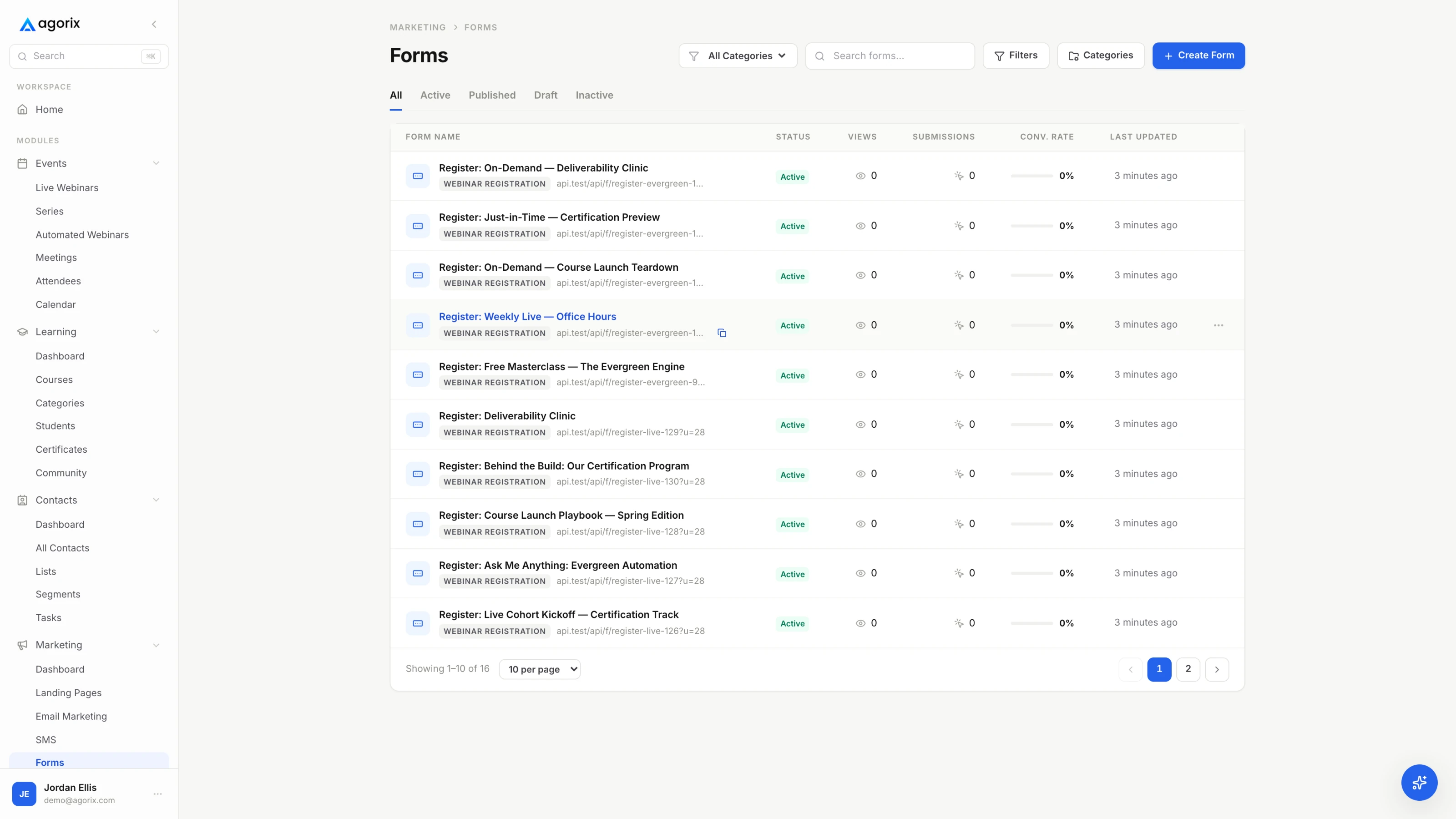
Fig. 02The by-product that becomes the asset — provided it is titled, indexed and kept where members already look.
Where a tool decision changes the plan
Recording is easy. Being findable in month nine is the part that decays.
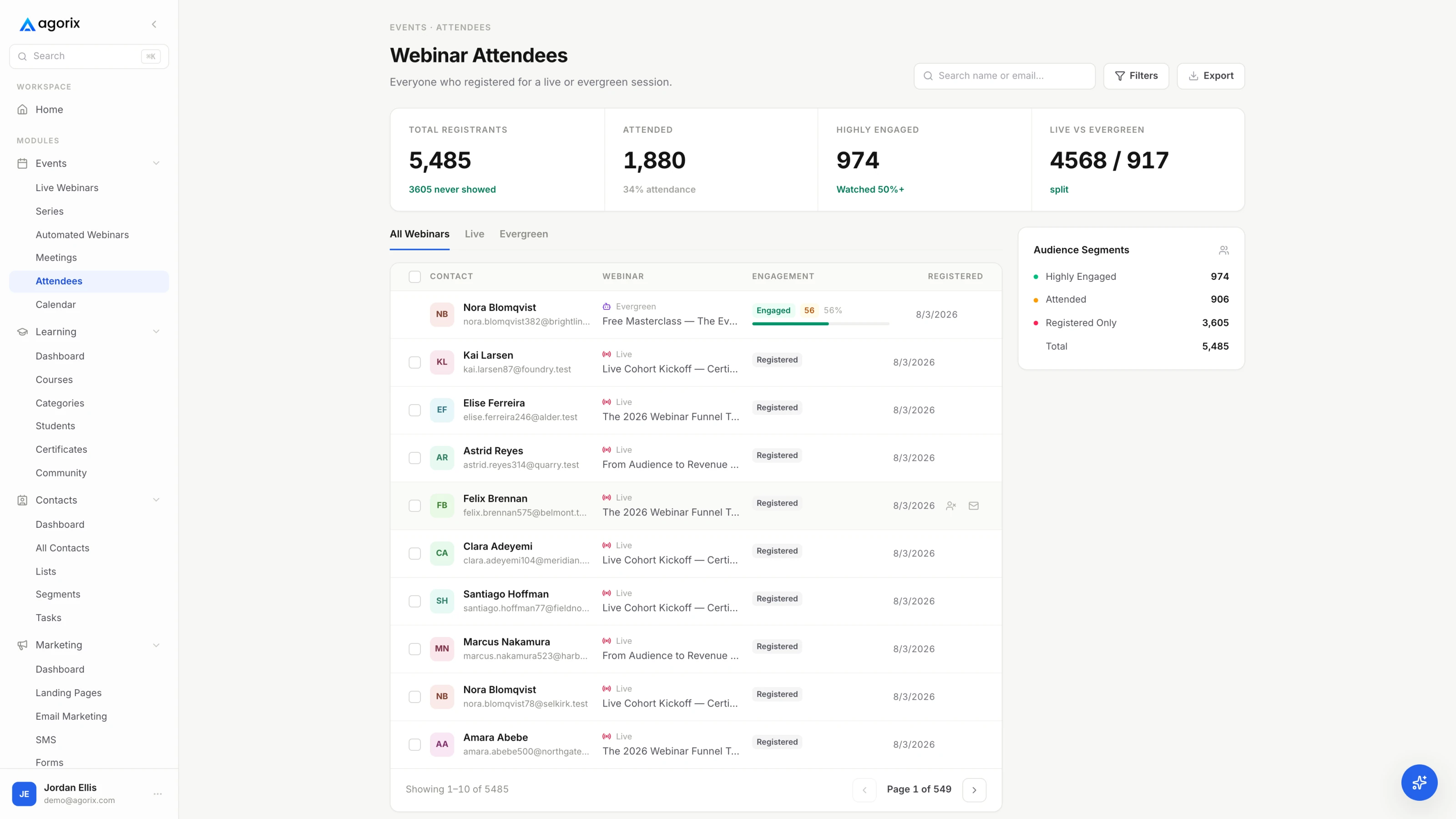
Every tool records. The difference shows up when a member who missed Thursday needs the eight minutes about pricing — whether that sits in a folder named by date, or in a library attached to the programme they bought, beside their attendance and the questions they submitted. In Agorix the meeting, the recording, the course library and the purchase sit on one customer record — see how meetings work.
Start your 14-day trial →14 days · $0 due today · Payment method required · Cancel before first charge and pay nothing
WeeklyAttendance follow-up
Who keeps missing, and the message that does not use guilt.
Attendance is a signal, not a target. What you are watching for is not absence — it is the member who has quietly stopped getting value and has not told anybody.
Track consecutive absences rather than a percentage. Someone who attends six of ten calls spread evenly is participating; someone who attended the first six and none since has left the programme in every sense except the billing one. A percentage hides that distinction, which is exactly the distinction you need.
Cross it with the library. A member who never attends live but watches every recording and submits questions is a fully engaged member with a difficult calendar, and messaging them about attendance is both wrong and slightly insulting. A member who has neither attended nor watched in a month is the one worth a message — and the message should assume a reasonable explanation rather than fish for an apology.
[Name] — you have missed the last three calls, and this is not
a chase. I want to check the call is still worth your [day].

Three possibilities, and any of them is a fine answer:

1. The time no longer works.
2. The topics have moved past what you needed.
3. You are getting what you need from the recordings.

If it is (1), the recordings and the question form both work
without you being live — send questions and I will answer them
on the call. If it is (2), tell me what you would want instead;
that is more useful to me than an apology.

[Your name]
Three things make that message work: it says it is not a chase and then behaves as though that were true, it offers three answers so replying is a choice rather than a confession, and it names a way to stay served without attending. Guilt gets you a polite reply and no change. Making it easy to say “the time stopped working” gets you something you can act on.
Then act on what they tell you
If three members say the time no longer works, that is a scheduling decision, not three individual conversations. If several say the topics have moved past what they needed, the programme has a segmentation problem your calendar cannot fix — and the answer is usually a second track rather than a broader call, because broadening the call to include everyone is how it stops being useful to anyone.
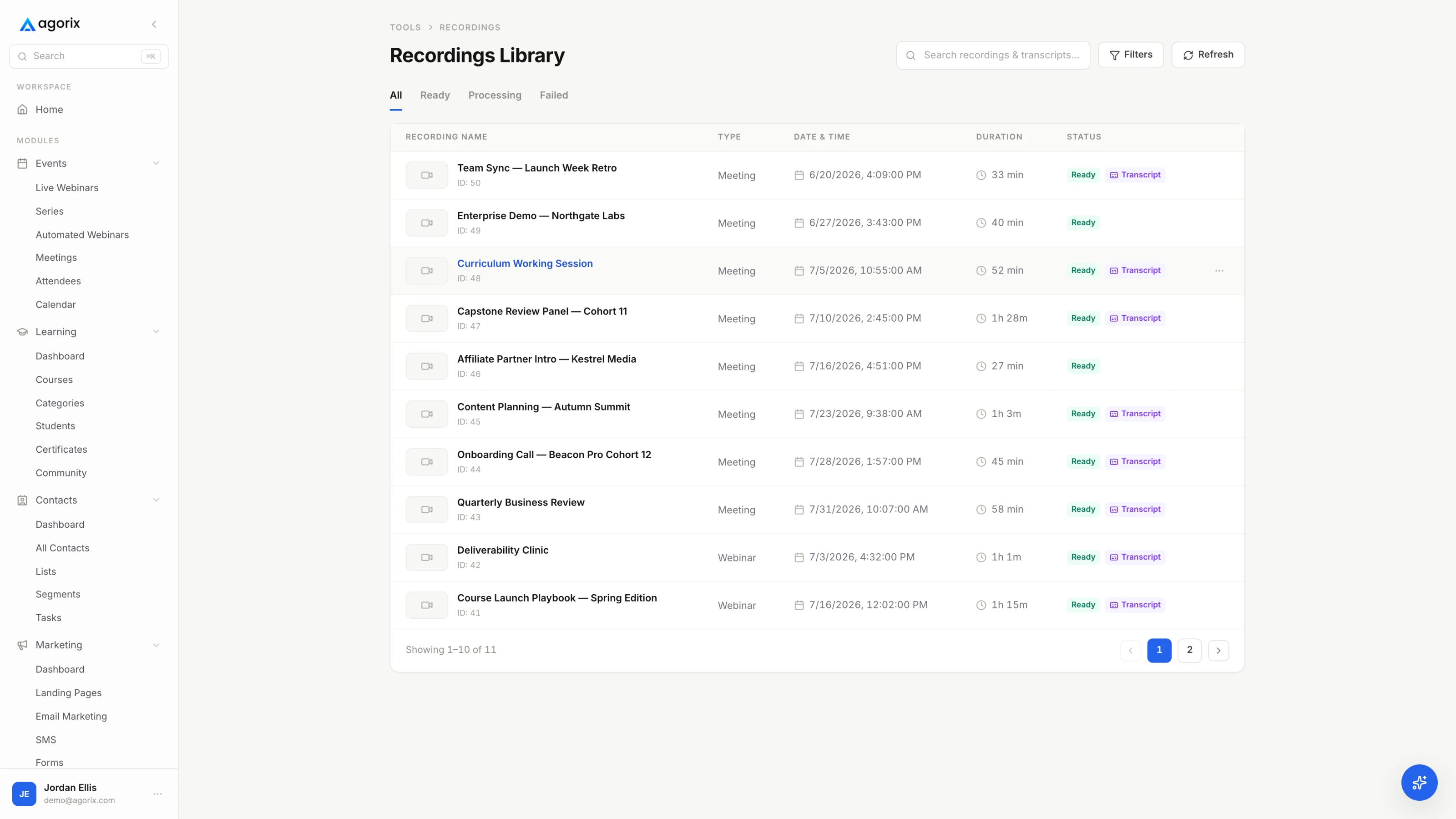
Fig. 03Attendance is only readable alongside what else the member did — watched, asked, submitted. On its own it produces the wrong message to the wrong person.
The standing kit0 / 12 ready
Before every call
After every call
Month 6When it drifts
Five symptoms, and what each one is actually telling you.
Recurring calls do not fail suddenly. They degrade, and the degradation is usually structural rather than a matter of effort — which is good news, because structure is fixable in an afternoon.
01Attendance is falling but the recordings are being watched. This is not a problem with the call; it is a problem with the time, or with a group that has matured past needing to be live. Ask the people watching rather than the people attending. The usual fix is a shorter live call with more of the teaching moved into the library, not a more entertaining hour.
02The same five people speak and the rest never do. Almost always a collection problem rather than a personality one. When questions arrive in writing before the call, the quiet members are represented by their questions whether or not they ever unmute — and the confident ones lose the advantage of being fastest to speak.
03The call runs over every week. Overrunning reads as generosity and works as a tax on the members with hard stops, who are usually the ones with the most demanding jobs. Ending on time is a service to the people who are least able to say so. If the content genuinely does not fit, the shape is wrong — cut a hot seat or move the teaching to the library.
04You are answering the same question every month. That question is not a question any more; it is a missing asset. Record the answer once, put it in the library, and link it in the pre-call email. A recurring call that keeps re-teaching its own fundamentals never gets to the material only a live room can handle.
05The energy has gone and nobody can say why. Usually the call has become a broadcast. As a rough test on your own calls, count the minutes across the last three where somebody other than you was talking. If that share looks small to you, the format has drifted toward a webinar and the fix is structural — more hot seats, fewer slides.
The quarterly question
Ask the group what they would change, and mean it.
One question, once a quarter, through the same form the questions come through: what would make this call more useful? Then change one thing and say which answer prompted it. A programme that visibly responds to its own members is a programme people renew — and the answers arrive long before the attendance numbers would have told you the same thing.
Common questions
Six questions about running the recurring call.
How should a group coaching call be structured?+
Use a fixed run sheet with minutes attached. A working default for ninety minutes: five for arrivals, five for wins and blockers typed into the chat, twenty for a single taught idea, forty for two or three hot seats named in advance, fifteen for questions collected before the call, and five to close with the next date and topic. The value is not in these exact numbers — it is that the shape is the same every week, so members know what they are turning up to and you stop deciding the format on the day. The run sheet above lays it out row by row.
Should group coaching calls be weekly or biweekly?+
Weekly suits implementation programmes where members are doing work between calls and need frequent unblocking, and it builds the habit faster. Biweekly suits strategic or executive groups where the work between calls takes longer than seven days to produce anything worth discussing, and it halves your preparation load. Choose on the constraint that actually binds you: if you cannot prepare properly every week, a well-run biweekly call beats a thin weekly one, and members can tell the difference within a month.
How long should a group coaching call be?+
Sixty minutes for pure question-and-answer formats, ninety when the call carries both teaching and hot seats. Past ninety, attention drops and the members with hard stops start leaving early — which quietly means the people with the most demanding jobs get served least. If the content does not fit, move the teaching into recorded material rather than extending the call. Live time is the scarce resource, and it should be spent on the things that only work live.
How do you run a fair hot seat?+
Publish a rotation with names against dates. Take requests through the same form as questions rather than by direct message. Require the problem in writing beforehand so the seat starts in the middle rather than the beginning. Cap the time and say the cap out loud. End with one action stated by the member, not by you. And keep a separate queue for members who have never taken a seat, drawn from first when a slot opens. The unfairness in most groups is not deliberate — it is the accumulated result of giving seats to whoever asked most recently.
Should group coaching calls be recorded?+
Yes, with the policy stated when members join rather than asked fresh each week. The recording is what makes the programme work for other timezones and for anyone who misses a week, and across a year it becomes a library that is often worth more than any single call in it. Title recordings by topic rather than by date, add timestamps or a short index, and keep them where members already look for the rest of the programme. A recording nobody can find is an archive, not an asset — the library section covers the difference.
What do you do when members stop attending?+
Track consecutive absences rather than an attendance percentage, and send one message at three. Ask whether the time no longer works, whether the topics have moved past what they needed, or whether the recordings are covering it — and make clear that any of those is an acceptable answer. Attendance is not the goal; the outcome they bought is. Some members are genuinely being served by the library, and a guilt-shaped reminder is the fastest way to lose one of them. For a single missed booking rather than a pattern, the no-show follow-up is the shorter message.
You now have the structure. Agorix is the system that runs it.
The scheduled room, the question form, attendance, the recording library, the course the calls sit beside and the membership that pays for all of it — on one customer record, so “who has stopped showing up and what have they watched instead” is a report rather than three exports. Built for coaches and consultants running group programmes.